
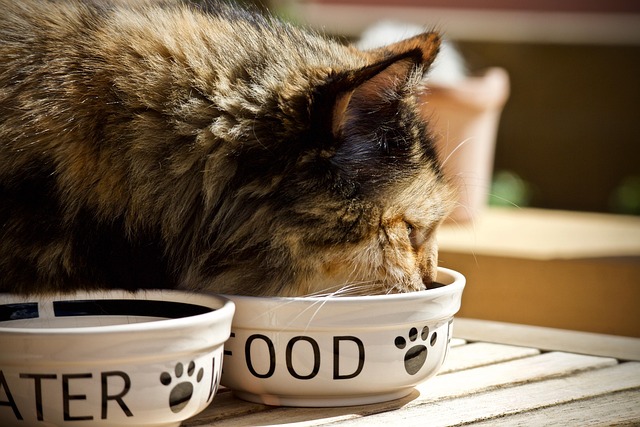
Choosing the Right Cat Food: Wet vs. Dry vs. Raw Explained
Choosing the right cat food is one of the most important decisions a cat owner can make, as nutrition directly affects a cat’s health, energy, and overall wellbeing. Cats are obligate carnivores, meaning their diet must be rich in animal protein, and providing the right balance of nutrients, vitamins, and minerals is essential to maintaining optimal health. With so many options available on the market, including wet food, dry kibble, and raw diets, understanding the differences, benefits, and potential drawbacks of each type can help owners make informed choices tailored to their cat’s unique needs, age, lifestyle, and health conditions. This comprehensive guide will break down each option, examining how they affect hydration, dental health, weight management, digestion, and long-term health outcomes.
Wet cat food is highly popular because it has a high moisture content, often around 70-80 percent, which helps cats stay hydrated. This is particularly important for indoor cats who may not drink enough water on their own. Wet food is also generally more palatable and aromatic, which can be beneficial for picky eaters or older cats with diminished senses of smell and taste. Nutritionally, many wet foods provide a good balance of protein and fat, although carbohydrate content can vary depending on the brand. Feeding wet food can help prevent urinary tract issues, a common concern in cats, due to its high water content. However, wet food can spoil quickly if left out and requires refrigeration after opening, which can be less convenient for some owners.
Dry cat food, or kibble, offers several advantages, including convenience, affordability, and longer shelf life. It is easy to store, measure, and feed, and many owners appreciate the fact that cats can nibble throughout the day without spoiling. Some dry foods are formulated to help maintain dental health by reducing plaque and tartar buildup through mechanical abrasion during chewing. However, dry food typically contains less moisture than wet food, which can increase the risk of dehydration, urinary problems, or constipation if adequate water intake is not maintained. Dry food can also be higher in carbohydrates, so careful attention to ingredient quality and macronutrient ratios is important, especially for cats prone to obesity or diabetes.
Raw diets have gained popularity in recent years as cat owners seek to replicate a cat’s natural ancestral diet. Raw feeding usually consists of uncooked meat, organs, and bones, sometimes supplemented with specific nutrients to ensure completeness. Advocates claim that raw diets provide higher-quality protein, improved digestion, shinier coats, and higher energy levels. However, raw feeding also carries significant risks if not carefully managed, including bacterial contamination, imbalanced nutrition, and choking hazards. Preparing a raw diet requires careful planning, knowledge of feline nutritional requirements, and strict hygiene practices to ensure safety for both the cat and household members. Consulting with a veterinarian or veterinary nutritionist is strongly recommended before transitioning to a raw diet.
When choosing between wet, dry, and raw food, it is crucial to consider your cat’s age, health, and lifestyle. Kittens require high-calorie, protein-rich diets to support rapid growth and development, whereas senior cats may benefit from diets formulated for joint health, kidney function, or weight management. Cats with medical conditions such as kidney disease, diabetes, or urinary tract issues may require specialized diets that are often prescription-based. Active cats that exercise regularly might tolerate higher-calorie diets better, whereas indoor, sedentary cats may need calorie-controlled meals to prevent obesity. Understanding your cat’s specific needs helps ensure that the chosen food supports long-term health and wellbeing.
A combination feeding approach is often an effective strategy, blending the benefits of wet and dry food to balance hydration, convenience, and dental care. For example, feeding wet food during mealtime can ensure adequate hydration and palatability, while offering dry food as a snack or for free-feeding can provide variety and maintain daily routine. Introducing a balanced combination can also prevent food boredom and encourage healthy eating habits. Monitoring portion sizes and adjusting according to activity levels, weight, and body condition is essential to prevent overfeeding and maintain a healthy weight.
Transitioning your cat to a new diet should be done gradually to avoid gastrointestinal upset. Mixing increasing amounts of the new food with decreasing amounts of the old food over a period of 7-10 days allows your cat’s digestive system to adapt. Observing stool quality, energy levels, coat condition, and overall behavior during the transition period can help determine whether the diet is appropriate. Sudden changes in diet, especially for sensitive or older cats, can result in vomiting, diarrhea, or stress, so patience and careful observation are key during this process.
Ultimately, choosing the right cat food requires careful consideration of nutritional content, your cat’s specific needs, lifestyle, and preferences. Wet, dry, and raw diets each have their advantages and potential drawbacks, and no single type is perfect for every cat. Working with a veterinarian to assess your cat’s health and nutritional requirements ensures informed decisions that promote long-term wellbeing. By providing a balanced, high-quality diet, owners can support healthy growth, maintain optimal weight, prevent common health issues, and strengthen the bond with their feline companion, ensuring a happy and healthy life together.